Do you want to use crystals for healing, but you aren’t sure where to start? It is important to know that crystals can be used as a tool for psychics and even for yourself. This has always been known as an alternative medicine.
You have probably seen people that wear different colored crystals or have heard of people talking about crystals for healing chakras. These crystals are able to help the mind, body, and soul and to get rid of negative energies.
Ancient Medicines
Crystals are known as an ancient medicine. This has been done in ancient times and is a big part of Hindu and Buddhist cultures. There is no scientific proof that crystals can heal but many people use them when doing their self-help and self-care. This is a healing situation that makes people more mindful of how they feel. Even though this isn’t scientific based, many people believe in healing crystals.
Crystals and Uses
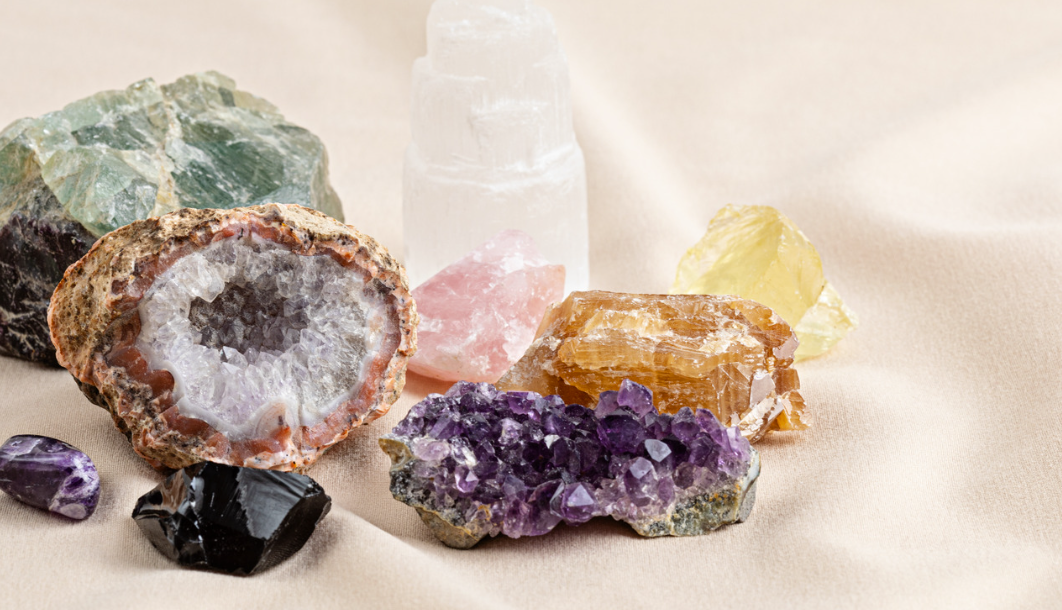
Here are some of the most popular healing crystals and their uses:
Clear Quartz
This is a stone that allows people to let go of things that don’t serve them. It helps to make the immune system stronger and can balance your body. It can be used with other stones.
Rose Quartz
This kind of quartz is a pink crystal, and it can bring peace and harmony to your life. If you need help with your relationships, use this stone. It can also bring you comfort when you are grieving. This stone is known to bring about love and trust.
Tiger’s Eye
When you need to be motivated, this is a great stone to use. It is gold and can help you to heal your mind and body. If you doubt yourself or if you have problems with your heart, use this to have balance.
Amethyst
The Amethyst is a purple stone, and it is known to be protective and healing. It can help you to have spiritual thoughts and it can help you to be sober. When you use this stone, you can make your dreams better and you can have more hormone creation.
Obsidian
This stone is good to get rid of mental blockages. It can help you if you are negative or if you have strong emotions. When you need to be strong and compassionate, this stone can help you to figure out how to make this happen. It can also help to get rid of cramps.
Citrine
When you want to be happy and be excited about things, Citrine is perfect for that. It can help you to get rid of bad habits and to be more positive. When you want to have clear thinking and motivation, use this stone.
Turquoise
This is a great stone that can make your mind, body, and soul strong. It is considered a good luck stone and can heal the respirator and the skeletal system.
Moonstone
A “New Beginnings” is what this stone encourages. It also helps you to grow and to get rid of stress. If you are instable, this can help you and it can increase your intuition.
Bloodstone
This stone is a healing stone and can help to cleanse the bloodstream. It can encourage you to care about other people and it can help you to be more creative.
Sapphire
The Sapphire is thought to bring peace and prosperity to your life. It can help increase your intuition and it makes you feel beautiful. It can also heal your eyes and your cells. If you have a blood disorder, anxiety, or insomnia, try to use this stone.
Ruby
This red stone is great to help you to speak the truth. It can help increase your sexual desires and your intelligence. It allows you to remove toxins from the blood.
Jasper
Jasper is a crystal that can nurture your mind and your spirit. It can get rid of anxiety, and it can help you to get rid of energy that are negative.
Picking the Best Crystals
You need to figure out what kind of stone you need based on what is going on in your body. Do you need to heal your mind or your body? Do you need to have more spiritual thoughts or to get rid of nightmares? The crystals that you use will depend on what is going on in your mind, body, and soul.
Taking Care of Your Crystal
Make sure that you read online how to take care of your crystal. Some can be washed in the water, and some have to be put into the sun or the moon in order to be charged. Some stones cannot be put in water at all.
The way that you handle your crystal is important and you should always show your crystals love and respect.
Crystal Items
You don’t have to just have a crystal, but you can find different items that have crystals in them or on them such as:
• Jewelry.
• Necklaces.
• Bracelets.
• Sex products.
• Water bottles.
• Prayer beads.
• Coasters.
• Smoking accessories.
Final Thoughts
Some people are skeptical about using crystals for healing, but you can try them for yourself and see if they are good for you. They won’t harm you but there is no scientific proof that they can heal you either.
Always have an open heart and an open mind when you are doing to do your crystal healing. You can use these crystals to have positive energy and to have the powers that you need to get the most out of your crystals.
I like that the article emphasizes an open mind. Even if it’s not scientifically proven, it might still have psychological benefits.
I found the part about how to take care of your crystals very useful. I didn’t know they needed special handling.
I wonder if there are specific ways to combine crystals for better effects. Does anyone know more about that?
The list of items that can feature crystals was quite surprising. I didn’t think of water bottles or coasters!
There’s no scientific evidence to support crystal healing, but I can see why some people are drawn to it.
The way different crystals have different uses is fascinating. I didn’t realize there were so many types.
I have heard about crystal healing before but never really knew how they work. This article provides a good introduction.
Same here. I think I might start with Clear Quartz. It seems very versatile.
It’s interesting to see how different cultures use crystals for healing. I’m curious to try this out.