

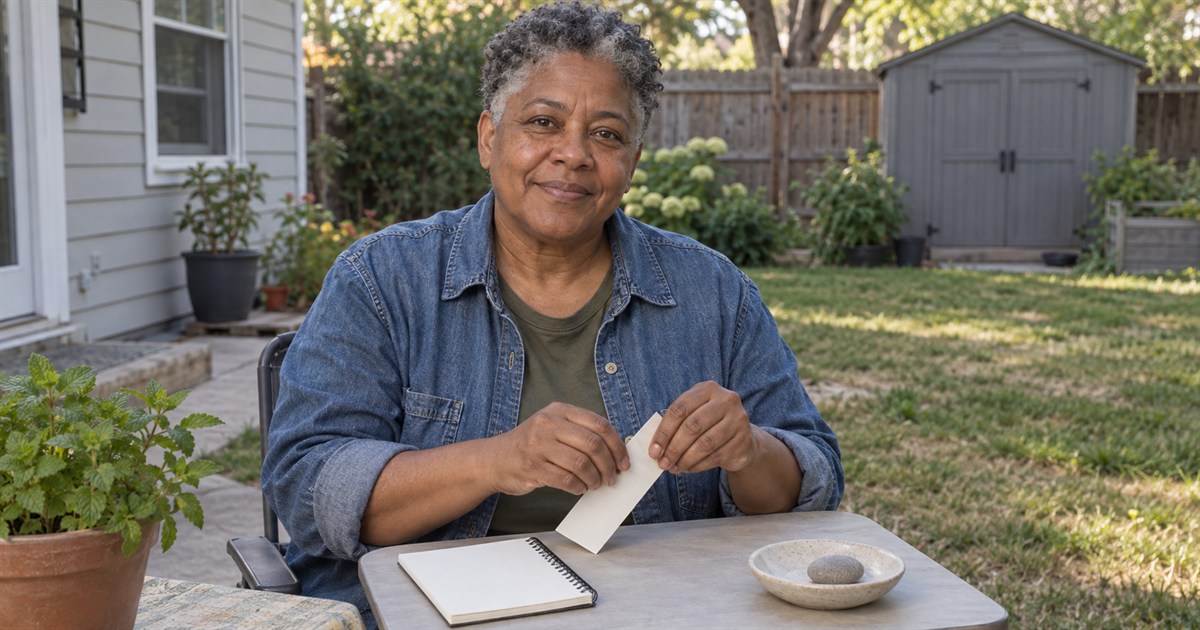
Witchcraft can be part of a hobby for people who enjoy symbolism, ritual, or spiritual reflection. You might choose a meaningful color for a knitting project, begin a drawing session with an intention, or spend a quiet minute noticing your garden. The useful starting point is something you already enjoy, not a shopping list or an obligation to make every ordinary activity magical.
These choices can carry personal meaning without establishing supernatural effects. A charm does not replace outdoor safety precautions, and a ritual does not guarantee that a project, relationship, or game will go your way. You can explore a practice while remaining clear about that distinction.
Quick Guide
- Choose one existing hobby and one small, optional ritual.
- Use supplies you already have; a dedicated room is unnecessary.
- Keep symbolic intentions separate from claims about protection or control.
- Protect other people’s consent, shared spaces, and ordinary safety routines.
- Review enjoyment and practical results, including when nothing changes.
Decide What Witchcraft Means to You
People do not all use the word in the same way. One person may be interested in a creative ritual, while another understands their practice as a religious commitment. Wicca should not be treated as a synonym for every form of witchcraft or every personal craft exercise. The Harvard Pluralism Project’s overview of Paganism describes varied traditions and practices, including communal rituals, solitary contemplation, and symbols.
This article offers optional, self-created reflection ideas. It does not initiate anyone into a religion, reproduce a community’s ceremony, or claim that a handmade object acquires special powers. If you want to learn a particular tradition, look for practitioners who identify their tradition and explain its context. Respect boundaries around practices that are not offered for public participation.
You also do not have to adopt the label “witch” to enjoy an intentional craft session. “A quiet creative habit” may fit you better. Use language that is honest about your beliefs, and let other people describe theirs differently.
Start With Three Hobbies You Already Enjoy
Write down three activities you actually do, rather than three that look attractive online. Next to each, note its simplest version, an intention that matters to you, and a boundary that would keep it enjoyable. You might choose reading for curiosity, knitting for patience, and tending a patio plant for consistency.
Pick the activity with the smallest extra demand on your time. If finding a special candle, preparing a room, and following a complicated calendar would prevent you from starting, leave those elements out. A five-minute version can be complete in itself.
- Existing activity: What do I already like doing?
- Personal meaning: What quality would I like to remember while doing it?
- Small addition: What could I add without making the hobby harder?
- Boundary: What will I avoid spending, promising, or interrupting?
- Review: What observable experience will tell me whether I want to repeat it?
Keep at least one hobby free of self-improvement goals if that suits you. Enjoyment does not have to become a project with a lesson, a ritual, and a journal entry attached.
Ways to Add Meaning to Familiar Activities
Knitting, Sewing, and Small Crafts
You could choose a color that reminds you of patience or repeat a short phrase before beginning a row. That association is yours; a color chart does not establish a universal meaning. If counting stitches requires concentration, set the phrase aside and concentrate on the pattern.
A scarf can express care through the time and skill you give it. Do not promise that it prevents illness, accidents, or harm. If you want to explain a spiritual intention to its recipient, ask whether they welcome that meaning. An ordinary gift without a ritual explanation is also a thoughtful gift.
Drawing and Painting
Try making a simple shape that represents something you want to practice, such as a circle for returning to a project. Treat it as your own visual reminder rather than an ancient symbol with an invented history. Put the reminder in a sketchbook, then draw something you genuinely want to draw.
There is no need to produce an impressive spiritual image. You can keep the exercise private, use inexpensive materials, and stop when the planned time ends. The finished page is evidence that you spent time drawing, not evidence that a future event has been arranged.
Cooking and Gardening
Preparing a familiar meal can offer a moment to think about generosity or hospitality. Keep the recipe’s food-safety and dietary requirements intact. Ask about allergies and preferences, and do not secretly add ingredients to influence someone else.
Use known culinary ingredients as food, not unidentified garden plants or a homemade medicinal mixture. Poison Control warns that making tea or food from wild or garden plants can be dangerous without expert identification. A symbolic association does not establish that a plant is edible.
In a garden, an intention such as “notice what needs attention” can accompany checking a plant’s actual condition. Water and care for it according to its needs rather than a wish that it should thrive. A plant struggling is not a judgment on your character or spiritual worth.
Music and Guitar Practice
You might dedicate a practice session to someone you remember, write a short melody about a value, or pause before playing to choose one manageable goal. Keep volume, shared-space agreements, and instrument care in mind.
A personal symbol on a removable notebook page is different from altering an instrument. Do not assume that a ritual keeps strings from breaking or a guitar in tune. Tuning, maintenance, and practice remain practical tasks. If you enjoy music without any spiritual intention, nothing is missing.
Hiking and Kayaking
Reflection belongs at a safe stopping point, not where it distracts from footing, navigation, paddling, or supervision. You could write a sentence before leaving home or reflect after returning. Avoid closed-eye visualization, trance exercises, or inward-focused practices during activities that require attention to hazards.
A protection charm is not a safety system. It does not make snakes harmless, prevent sports injuries, or control weather. The National Park Service’s river and stream guidance emphasizes checking water and weather conditions, matching the activity to your skills, and using appropriate equipment, including a properly fitting life jacket. Follow the requirements for your specific location and activity; cancel or change plans when necessary.
Leave plants, stones, and other natural materials where collecting is prohibited. You can remember a place with a written description instead of taking an object or leaving a ritual offering behind.
A Five-to-Ten-Minute Paper Bookmark Practice
This exercise uses no flame, fragrance, special purchase, or prediction. It can work at a kitchen table, a modest home desk, or a sheltered spot in the yard. If folding paper is uncomfortable, use an existing bookmark and make a spoken choice instead.
- Choose the real activity. Pick a book you want to read, without promising to finish it today.
- Name one intention. For example, “I want to make room for curiosity.” Keep it about your participation, not controlling someone else.
- Make a simple reminder. Fold a scrap of paper or use a plain card. Add a color or shape if you want to.
- Read briefly. Spend the remaining time with the book. Skip any extra ritual if it gets in the way.
- Close without a demand. Mark the page and note whether the short session was pleasant, difficult, or neutral.
The bookmark can remind you of an intention. It does not need to attract opportunities, change luck, or protect the reader to be useful. Reuse it, replace it, or stop using it without treating that choice as spiritually dangerous.
Worked Example: Keep the Result Modest
The following is a fictional example, not a testimonial or evidence of magic.
Rowan enjoys reading but has started avoiding it because an elaborate evening ritual takes too long. They choose a simpler aim: read for eight minutes after Saturday breakfast, with a paper bookmark as a reminder. They already have the paper and book, so the experiment costs nothing.
- Plan: One short reading session, without buying supplies.
- Symbol: A small green line on the bookmark, personally associated with curiosity.
- What happened: Rowan reads for six minutes before a household interruption.
- What helped: Having the book ready makes starting easier.
- What did not: The planned eight minutes is not completed; the reminder does not remove interruptions.
- Next choice: Keep the bookmark and try a quieter time, without calling the interruption a bad omen.
This is a partial practical result, not a magical success story. Rowan can value the experience while acknowledging what actually happened. A session that feels neutral or is skipped belongs in the record too.
Keep Boundaries Around Your Practice
Do not add substances to another person’s food, alter their possessions, photograph their private space, or include them in a ritual without permission. Shared homes may have rules about scents, pets, noise, storage, and religious displays. Agree on those rules rather than treating disagreement as negative energy.
No flame is necessary. If a ritual suggests candles, consider a flameless alternative; the U.S. Fire Administration recommends flameless candles. Avoid burning unfamiliar materials or creating smoke in shared spaces.
Do not use a luck ritual as a reason to gamble, increase a wager, or chase a loss. Likewise, car-related symbolism cannot replace safe driving and maintenance. Keep health, safety, financial, and relationship decisions grounded in relevant information and consent rather than a symbolic outcome.
Let the Hobby Stay Enjoyable
After a few sessions, ask whether the addition made the hobby more enjoyable or simply more demanding. Reduce it if you are spending more time preparing than participating. Missing a day does not create a debt you must repay with a longer ritual.
For another practical approach to everyday surroundings, see creating good feng shui in your home. If you use “energy” language for how an activity feels, raising your vibrations explores ordinary activities without treating the metaphor as a measurable spiritual rank.
The best fit may be a tiny ritual, occasional reflection, or no ritual at all. You can take spiritual interests seriously without making every free moment accountable to them.
Frequently Asked Questions
Can witchcraft be a hobby rather than a religion?
Some people approach witchcraft through creative or personal practices, while others understand it as part of a serious spiritual or religious commitment. Describe your own approach accurately and do not assume that another person’s tradition is just a hobby.
Do I need an altar or expensive supplies?
No special purchases are needed for the optional reflection exercise here. Paper, a pencil, and a few minutes are enough. A tradition you choose to study may have its own expectations, but spending more does not demonstrate spiritual ability.
Can I add a ritual to knitting or playing music?
You can choose a personal intention before starting, use a color you associate with that intention, or reflect afterward. Keep attention on the actual craft, and treat the symbolism as personal meaning rather than proof that the object has protective powers.
Will a protection charm keep me safe outdoors?
Do not rely on a charm to prevent injuries, snakebites, dangerous weather, or drowning. Follow the relevant safety guidance, use suitable equipment, and change or cancel plans when conditions require it.
Is it necessary to use herbs, candles, or incense?
No. A paper symbol, an ordinary object, or a spoken intention can avoid smoke, flames, and unfamiliar substances. Do not eat unidentified plants, add unapproved substances to shared food, or burn materials simply because a ritual suggests it.
How can I tell whether the practice is helping?
Choose a small observable aim, such as enjoying ten minutes of drawing or making time to read. Record what happened, including difficulties and no change. Feeling meaning in a ritual is different from showing that it caused an outside event.
What if the practice starts feeling like another chore?
Shorten it, leave it out, or stop. You do not need to ritualize every hobby or make up missed sessions. A hobby can remain enjoyable without a spiritual explanation or a daily practice schedule.